OK Noted Meaning in Email: Rude? Better Replies
What does OK noted mean in email? Is okay noted rude? Why noted on this is wrong, plus clearer professional replies you can copy.

You reply “OK noted,” hit send, and then wonder whether it sounded cold, lazy, or as if you agreed to something you never promised. Here is what the phrase means in email, when it can read as rude, why “noted on this” fails, and the clearer replies that show both understanding and your next step.
Jump to sections
Use these anchors to jump straight to the section you need.
Quick Answer
The OK noted meaning in an email is usually: “I have received, read, and understood your message.” It is a quick acknowledgement, not automatically a promise that you agree or will take action.
AI Grammar Buddy
Make this sound professional
Improve tone for work emails without changing your meaning.
“OK noted” and “okay noted” are not inherently rude. But on their own, they can feel abrupt—especially after detailed feedback or when the sender needs a clear commitment. A more useful reply names what you understood, thanks the sender, or confirms a next step.
If the sender needs action, pair the acknowledgement with what you will do and by when.
Better: Thanks for the update. I’ve noted the revised deadline and will send the draft by Friday.
This guide reflects common workplace email use in international teams. We checked the usage guidance against Cambridge Dictionary’s explanation of OK/okay and reviewed the phrase in real professional-email contexts. If you want a second check before sending, AI Grammar Buddy can rewrite your reply to sound clearer, warmer, or more professional.
Noted Meaning in Email and Chat
In an email or workplace chat, “noted” means “I have received, read, and understood this information.” It is an acknowledgement: the message has been registered. It does not, by itself, confirm agreement, approval, completion, or a future action.
| Where you see it | What “noted” usually communicates | What it does not guarantee |
|---|---|---|
| I received and understood your message. | I agree, approve, or have completed the task. | |
| Work chat | I saw this; no follow-up question right now. | I will take action unless I say so. |
| “A noted expert” | Famous or well known. | This is a different dictionary sense, not an acknowledgement. |
The safest professional version adds the missing information: “Noted, thank you. I’ll update the file by 4 p.m.”
What Does “OK Noted” Mean in an Email?
When someone writes “OK noted,” they are acknowledging information. In plain English, they mean: “I have seen this and understand it.”
For example:
Please use the updated budget file for the presentation.\ OK noted.
The reply tells the sender their instruction was received. It does not necessarily tell them that you agree with it, have completed the task, or will do it by a certain date. If your goal is simply to confirm delivery rather than show understanding, use a professional acknowledgement-of-receipt email instead.
That distinction matters in work. If your manager asks you to revise a document, “OK noted” confirms that you read the request. It does not reassure them that the work has started.
Clearer: Noted, thank you. I’ll revise the document and share it by 3 p.m.
Does “Noted” Mean “I Agree”?
No. “Noted” confirms awareness or understanding; it does not automatically mean “I agree,” “I approve,” or “I will do it.” That distinction matters when the original message contains a proposal, instruction, or deadline.
Acknowledgement only: Noted, thank you.
Agreement: I agree with the proposed timeline.
Action: Understood. I’ll update the schedule and confirm by noon.
If you intend to agree, say so directly. If you intend to act, name the action and timing.
Is “OK Noted” Rude?
Usually, no. The phrase itself is neutral. Tone in email depends on the relationship, the message being acknowledged, and what the sender expected from you.
A one-line “OK noted” can feel cold or dismissive when the sender has written a detailed email, shared feedback, raised a concern, or asked you to do something. It can also be too brief for a client, interviewer, senior colleague, or someone you do not know well.
It is more likely to be fine in a fast internal exchange:
Can we move the team call to 2 p.m.?\ Okay, noted.
Even here, “Sounds good, thanks” is warmer. When there is a task or deadline, add your action:
Thanks for the clarification. I’ll follow the new process from today.
If you are unsure whether a one-line reply sounds cold, paste it into AI Grammar Buddy and ask for a warmer version that still stays short. If you received “noted” from someone else, see how to reply to “noted” in a professional email.

OK Noted vs. Noted vs. Noted With Thanks
| Phrase | What it communicates | Best use |
|---|---|---|
| OK noted | I understand | Casual internal messages |
| Noted | I have registered the information | Brief workplace acknowledgement |
| Noted with thanks | I acknowledge this and appreciate it | Formal or regional business writing |
| Thanks for the update | I understand and value the information | Friendly professional emails |
| Understood—I’ll… | I understand and will act | Instructions, requests, and deadlines |
“Noted with thanks” is common in some workplaces, including across Asia. It is understandable, but some global readers find it formulaic. Use it when it fits your workplace, or choose a more specific reply. Read our practical guide on whether “noted with thanks” is rude in Singapore and better alternatives to “noted with thanks”. For the wider cross-cultural context, see our email etiquette guide for Singapore and global teams.
Is “Okay Noted” Correct English?
Yes. People use “okay noted” in speech, chat, and email, and it is understandable. Still, it is slightly repetitive: okay already signals acceptance or understanding, while noted signals that you have registered the information.
These options are often more natural:
- Noted, thanks.
- Understood.
- Got it—thank you.
- Thanks for letting me know.
- I’ve noted this.
For a formal email, “I’ve taken note of this” is grammatical but can sound stiff. A short sentence that names the information or next step is more helpful:
Thank you. I’ve noted the updated process.\ Thanks for the clarification. I’ll follow the new procedure.
Why “Noted on This” Is Not a Natural Reply
Avoid “noted on this” when replying to an email. It is not a natural standalone way to say “I understand.”
“Noted on” needs a location after it:
The change is noted on page three.\ Your comment is noted on the project tracker.
If you are acknowledging an email, write “Noted,” “I’ve noted this,” or “Thanks, I understand.” This distinction also matches guidance discussed by English-language usage forums, including WordReference’s discussion of “noted on this”.
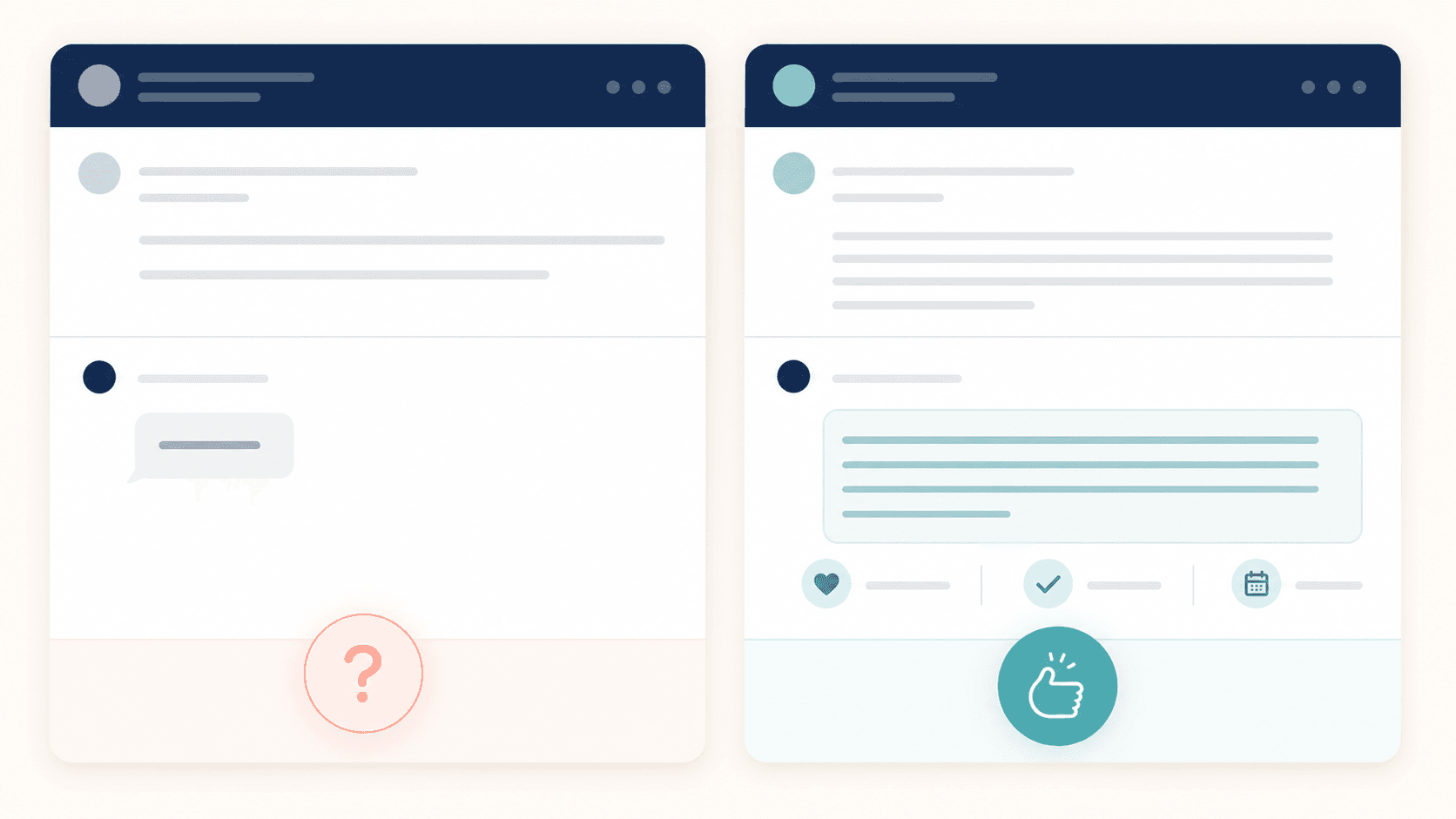
Professional “Noted” Replies to a Boss, Client, and Colleague
| Recipient | Copy-ready reply | Why it works |
|---|---|---|
| Boss | “Understood, thank you. I’ll update the tracker by 5 p.m.” | Confirms the instruction, action, and deadline. |
| Client | “Thank you for the feedback. I’ll send the revised draft by Thursday.” | Adds appreciation and makes the next step visible. |
| Colleague | “Thanks for the update. I’ve adjusted the timeline.” | Friendly and specific without sounding formal. |
If no action is required, a shorter reply such as “Thanks for the update—I’ve noted this” is enough. The goal is not to make every acknowledgement longer; it is to include the information the sender actually needs.
Examples: Better Replies Than “OK Noted”
When someone shares an update
Instead of: OK noted.\ Write: Thanks for the update. I’ve noted the new timeline.
When someone gives you an instruction
Instead of: Okay noted.\ Write: Understood. I’ll update the file today.
When someone gives feedback
Instead of: Noted.\ Write: Thank you for the feedback. I’ll incorporate these points into the next draft.
When a client sends a document
Instead of: OK noted with thanks.\ Write: Thank you for sending this. I’ve received the document and will review it today.
When a meeting time changes
Instead of: Noted on this.\ Write: Thanks for letting me know. The new meeting time works for me.
When you cannot act immediately
Instead of: Okay noted.\ Write: Noted, thank you. I’ll review this and get back to you by Wednesday.
These rewrites make the next step visible. Paste a short reply into AI Grammar Buddy if you need it to sound professional without becoming overly formal. For a client-facing version, use the Email Improver to make any of the examples slightly more formal without making them stiff.
Three copy-paste defaults
If you need one reliable reply without overthinking the tone, use the closest match below:
Information only: Thanks for the update. I’ve noted this.
A task or deadline: Understood, thank you. I’ll complete this by [day/time].
Feedback or a concern: Thank you for flagging this. I’ll review the details and update you by [day/time].
These templates make the difference explicit: the first acknowledges, the second commits to action, and the third acknowledges both the message and the sender’s concern.
Common Mistakes
Treating acknowledgement as a commitment
“Noted” does not explain whether you will act. If the sender needs reassurance, state the task and timeframe.
Please send the invoice before noon.\ Less clear: OK noted.\ Better: Understood. I’ll send the invoice before noon.
When your draft says only “OK noted” but the email needs a deadline, rewrite it once in AI Grammar Buddy so the next step is explicit. Our email clarity checklist for global teams can help you check the final message.
Using “noted on this”
Use “Noted” or “I’ve noted this.” Reserve “noted on” for a specific location such as a page, document, or tracker.
Replying too briefly to detailed feedback
Recognise the sender’s effort and explain what you will do with their feedback.
Thank you for the detailed feedback. I’ve noted the changes and will revise the proposal accordingly.
Adding “with thanks” everywhere
It is not wrong, but repeated use can sound automatic. Choose wording that matches the situation: thank the sender for an update, clarify what you understood, or confirm your action.
How to Choose the Right Acknowledgement
Use this simple check before you send your reply:
- Was the email only informational? Say “Noted, thank you” or “Thanks for the update.”
- Did the sender make a request? Confirm the action and, where useful, the deadline.
- Did they give feedback or raise a concern? Acknowledge the point and explain your response.
- Is the relationship formal or the message sensitive? Add warmth rather than using a one-word reply.
How AI Grammar Buddy Can Help
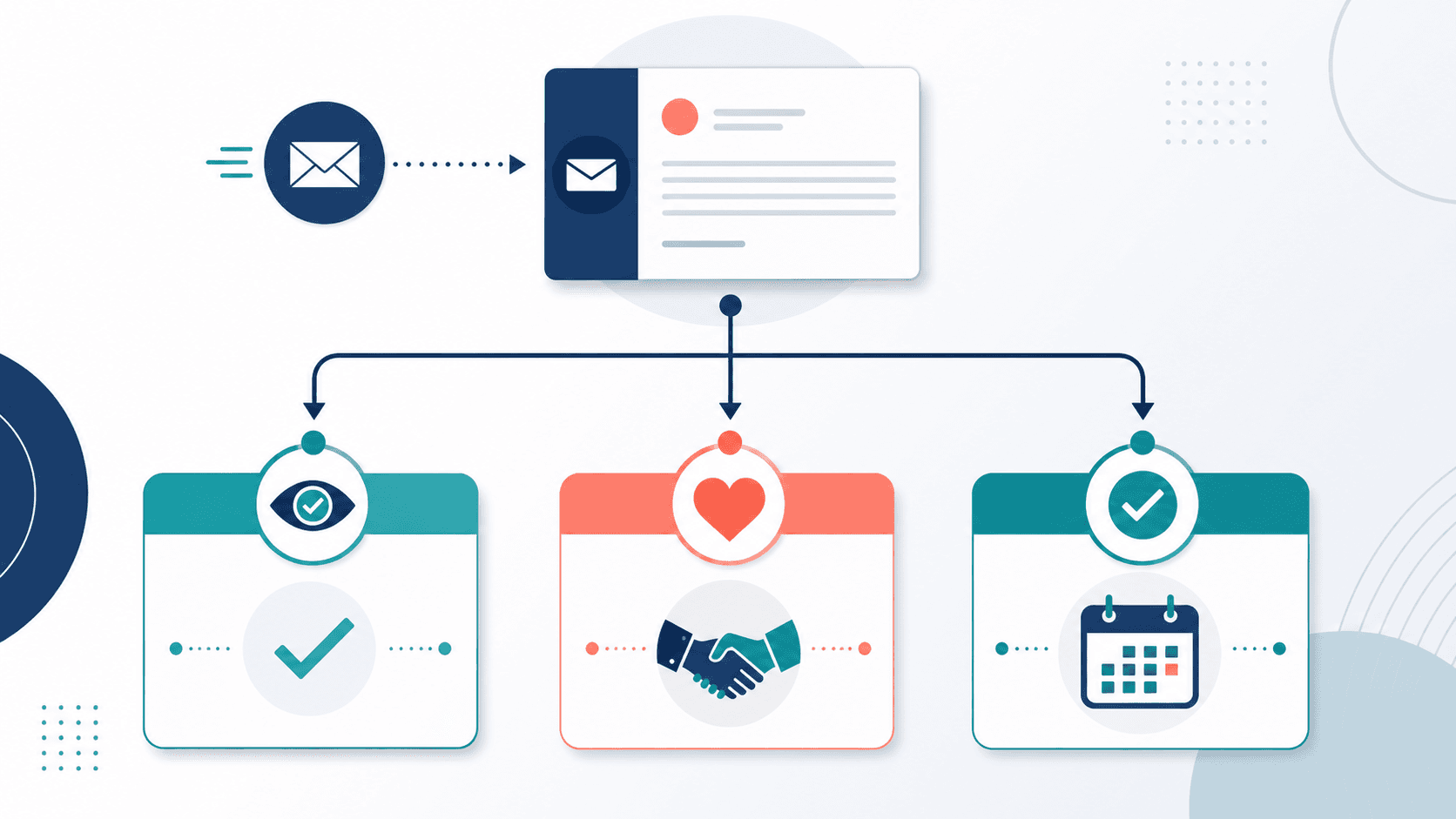
The best acknowledgement is not one magic phrase. It is a reply that shows what you understood and what will happen next.
Paste your draft into AI Grammar Buddy and ask for a more polite, direct, or professional version. For example, it can turn:
OK noted. Will do.
into:
Thanks for the update. I’ve noted the requirements and will complete the revisions by Thursday.
That is particularly useful when you are writing to clients, senior colleagues, or international teams where a very short reply could be misread. You can also use the Email Improver for a full message review.
Final Takeaway
“OK noted” means “I have read and understood this.” It is not inherently rude, but it can sound too short when an email needs warmth, accountability, or a clear next step.
For everyday professional email, make your reply do one extra thing: thank the sender, name what you understood, or confirm what you will do. That makes your message clearer and easier to trust.
Editorial Method and Sources
This article was written and last reviewed by Kin, Senior Business English Editor at AI Grammar Buddy, on 2 August 2026. Kin’s editorial check for acknowledgement phrases is deliberately practical: does the reply merely acknowledge the information, does it signal agreement, or does it promise an action? The examples above are original workplace-email rewrites built around that distinction. For the language points, we consulted Cambridge Dictionary’s grammar guidance on OK/okay and WordReference’s usage discussion of “noted on this”. Language use varies by country and workplace; when in doubt, use the clearer, more specific reply.
About This Article
Kin
Senior Business English Editor
Kin reviews workplace email drafts, acknowledgement phrases, and tone problems for AI Grammar Buddy. She focuses on the replies that sound polite locally but still land as stiff or unclear in global business English.
Last updated 2 August 2026
Frequently Asked Questions
What does “noted” mean in email and chat?▼
In an email or work chat, “noted” means “I have received, read, and understood this information.” It acknowledges the message but does not automatically mean agreement, approval, or a promise to act.
Does “noted” mean “I agree”?▼
No. Noted means you have received and understood the information. If you agree, say so directly.
Is “OK noted” professional?▼
It can work in a quick internal exchange, but a short thank-you or a clear next step is safer in a formal email.
Is “noted on this” correct?▼
Not as a standalone email reply. Use noted or I've noted this. Noted on needs a location, such as noted on page three.
What is a better reply than “OK noted”?▼
Try Thanks for the update. I've noted the new deadline and will send the draft by Friday. It acknowledges the message and explains your next step.
Next step
Make this sound professional
Improve tone for work emails without changing your meaning.
Keep going
Continue with AI Grammar Buddy
AI Grammar Buddy
Email Improver
Paste your draft and rewrite it for clearer, more professional English.
Improve My ToneRelated guide
Well Noted Meaning in Email: Is It Correct or Rude?
See how well noted differs from noted and which wording works better in global workplace email.
Related guide
How to Acknowledge Receipt of an Email Professionally
Use clear templates when you need to confirm that an email, document, or request arrived.
Related guide
How to Reply to Noted in a Professional Email
Know when a noted reply closes the thread and when you should clarify the next step.